Agriculture In the Town
Prior to World War II, agriculture was a major economic sector and the predominant land use in the Town of Ithaca. Despite the formidable barriers to farming presented by terrain, soils, and the climate, the Town produced and exported significant amounts of wheat and other agricultural products beginning around 1800. Throughout the 19th Century, potatoes, hay, tobacco, grain, fruit, and dairy and meat products were sent to market from numerous Town farms. Although agriculture in the Town has declined since the end of World War II, it is still the predominant land use in several portions of the Town.
Farmland, and the farmers who work the land, contribute to the well-being of all Town residents. In addition to the direct contribution to the local economy through production and employment, local farmers also make significant indirect contributions to the local economy through the purchase of equipment and supplies and through their relatively low demands on the costly public infrastructure. The rural character of the Town – enjoyed by Town residents and essential to the local tourist industry – is provided largely by local farmers and the State Parks. Perhaps most importantly, farmers in the Town of Ithaca have established a tradition of stewardship of the land and its resources.
Agriculture in the Town of Ithaca reflects agriculture in the region. Even though the number of farms is relatively small (approximately 24 farms), agriculture in the Town is surprisingly diverse. Enterprises include dairies, vineyards and wineries, direct-marketed produce (via area farmers markets, U-pick tree fruit and vegetable crops, farm markets, or roadside stands), field crops, forest crops, landscaping and nursery stock, Christmas trees, greenhouses, horses, beef, chickens, fiber products, orchards, and a CSA.
Town Farming Facts
Town Farming Numbers (from 2011):
- Approximately 3,412 acres of agricultural lands in the Town
- Total value of agricultural products is approximately $4,431,000
- Town farms employ at least 27 full-time, 39 part-time, and 25 seasonal workers
- Crops include: hay (717 – 787 acres), corn (363 acres), vegetables (203 acres), small grains (183 acres), landscaping (91 acres), orchard (25 acres), and vineyard (5 acres)
- Other lands part of the farms include: woods (668 acres), pasture (185 acres), and tillable fallow (51 acres)
- 40,000 square feet of greenhouses
- Cornell has approximately 870 acres in vegetable and field crops, orchards, pasture, dairy, and greenhouses in the Town
- Livestock includes: dairy bulls (300), dairy heifers (247), dairy cows (200), chickens – layers (148), goats, sheep, alpacas (47), beef (30), horses (12), and hogs (6)
A Diversity of Enterprises:
- Dairy
- Vineyard and Winery
- U-Pick Fruit and Berry Crops
- Field Crops
- Landscape and Nursery Stock
- Forest Crops
- Christmas Trees
- Orchards
- Farm Markets
- Greenhouses
- Roadside Stands
- Equine
- Education / Research
- Beef Livestock
- Chickens
- Fiber Goats, Alpacas, and Sheep
- Apiary
- Community Supported Agriculture (CSA)
Farming Links
Town of Ithaca Farms
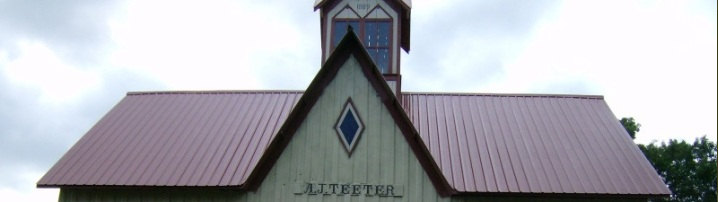
 A.J. Teeter Farm
Cayuga Landscape
Cummins Nursery
Der Rosenmeister Nursery
Eddydale Farms Produce
Fort Baptist Farm
Indian Creek Farm
Ithaca Equestrian Center
Jackman Vineyards
Laughing Goat Fiber Farm
Mehrabyan Nursery
New York Cider Company
Six Mile Creek Vineyard
The Learning Farm
Three Story Farm
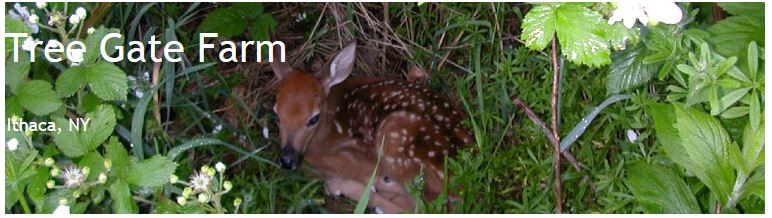
Tree Gate Farm
West Haven Farm
A.J. Teeter Farm
Cayuga Landscape
Cummins Nursery
Der Rosenmeister Nursery
Eddydale Farms Produce
Fort Baptist Farm
Indian Creek Farm
Ithaca Equestrian Center
Jackman Vineyards
Laughing Goat Fiber Farm
Mehrabyan Nursery
New York Cider Company
Six Mile Creek Vineyard
The Learning Farm
Three Story Farm
Tree Gate Farm
West Haven Farm
Local Food Information
Agricultural Organizations
American Farmland Trust
Cornell Cooperative Extension of Tompkins County
Cornell Small Farms Program
4-H of Tompkins County
Food and Health Network
Future Farmers of America
Groundswell Center for Local Food & Farming
New York Farm Bureau
New York Farmland Finder
New York Farm Net
Northeast Sustainable Agriculture Research & Education

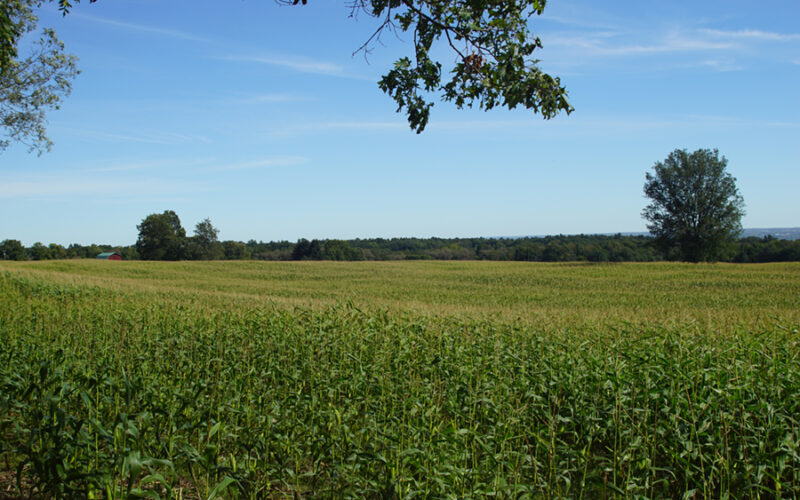

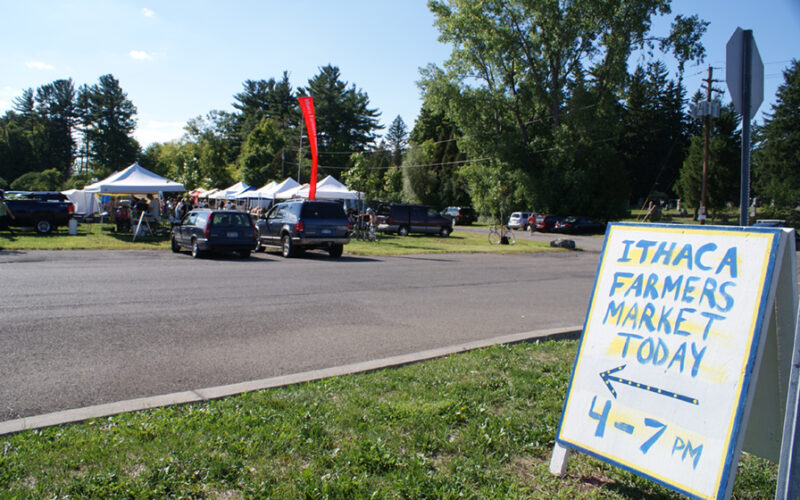

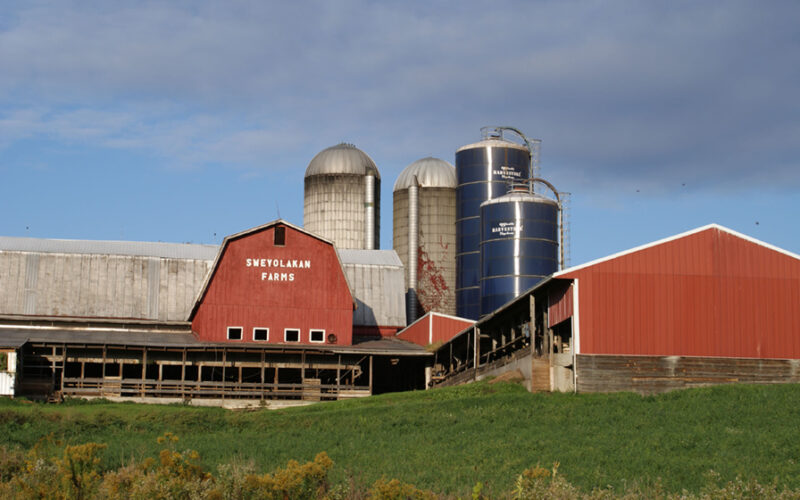
The Town of Ithaca established its Agricultural Land Preservation Program in 1999 for the purpose of protecting its agricultural land resources for future generations by purchasing development rights (PDR) on key farm parcels in the Town. It is a voluntary program through which the Town Board, on behalf of all Town residents, would purchase from willing sellers the development rights, or conservation easements, limiting the uses and development potential of key agricultural parcels. Participation in the program enables farmers to continue farming their land. It will help farmers stay in business by providing needed capital, and it relieves development pressures by ensuring that development will not encroach onto participating farm parcels. The primary benefit of this type of easement program is that the properties remain under the ownership and stewardship of the private landowners.
The Town adopted the voluntary PDR program as a long-term commitment. Approximately 3,500 acres of farmland in the Town of Ithaca are recommended for PDR. Since the start of the program, the Town has been setting aside funds in an Open Space Reserve account for the PDR program.
Additional Information
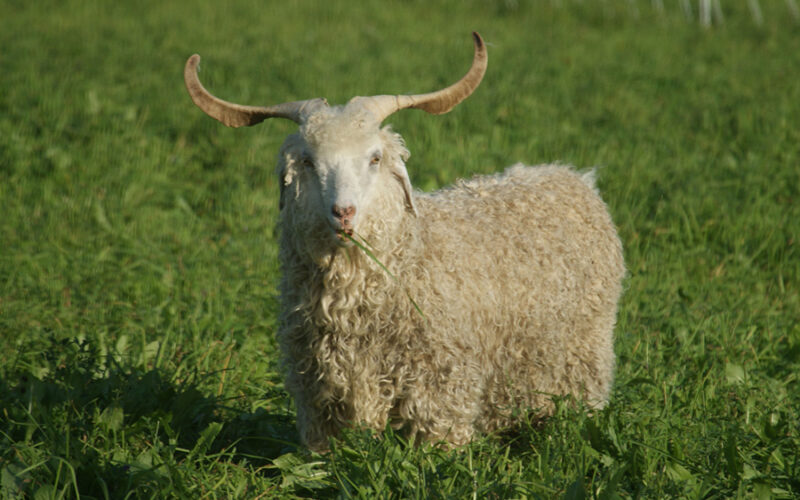
In 2003, the Town obtained its first agricultural conservation easement through PDR on a 40-acre parcel of active farmland on Sheffield Road, which is currently operated as part of the Laughing Goat Fiber Farm. The property contains approximately 30 acres of active farmland and 10 acres of mixed woods and shrub growth. They have a herd of approximately 90 animals, including Angora goats, Cashmere goats, Alpacas, and sheep. They specialize in home-grown exotic fibers and create original hand-made fiber goods (blankets, rugs, shawls, scarves, and other items). Scenic views over the property are visible from Sheffield Road looking east toward East Hill areas of the Town of Ithaca and beyond.
The Town completed its second agricultural conservation easement on the 42-acre Indian Creek Farm property. This permanent easement was purchased through the assistance of the New York State Department of Agriculture & Markets, with funding under its Farmland Protection Implementation Grants program. The farm consists of U-pick fruits and vegetables, a roadside stand, and original nursery sales. The farm is located only 2 miles from downtown Ithaca on Trumansburg Road and is open from spring to late fall. This property enjoys terrific views to the east and contains a portion of Indian Creek in the wooded area along the northern edge of the farm. In addition to the fruits and vegetables grown, Indian Creek Farm also grafts and grows over 500 varieties of fruit trees (Cummins Nursery).
The third agricultural conservation easement is on a 52-acre property on Bostwick Road. This easement will protect approximately 38 acres of productive farmland, with a portion of the open fields being leased to Forever Green Farms Inc. to grow spruce trees, supplying landscapers, wholesalers and tree brokers with large balled and burlaped trees. The easement will also help protect the streams, wildlife habitat and steep slopes on approximately 12 acres along the southern boundary of the property.